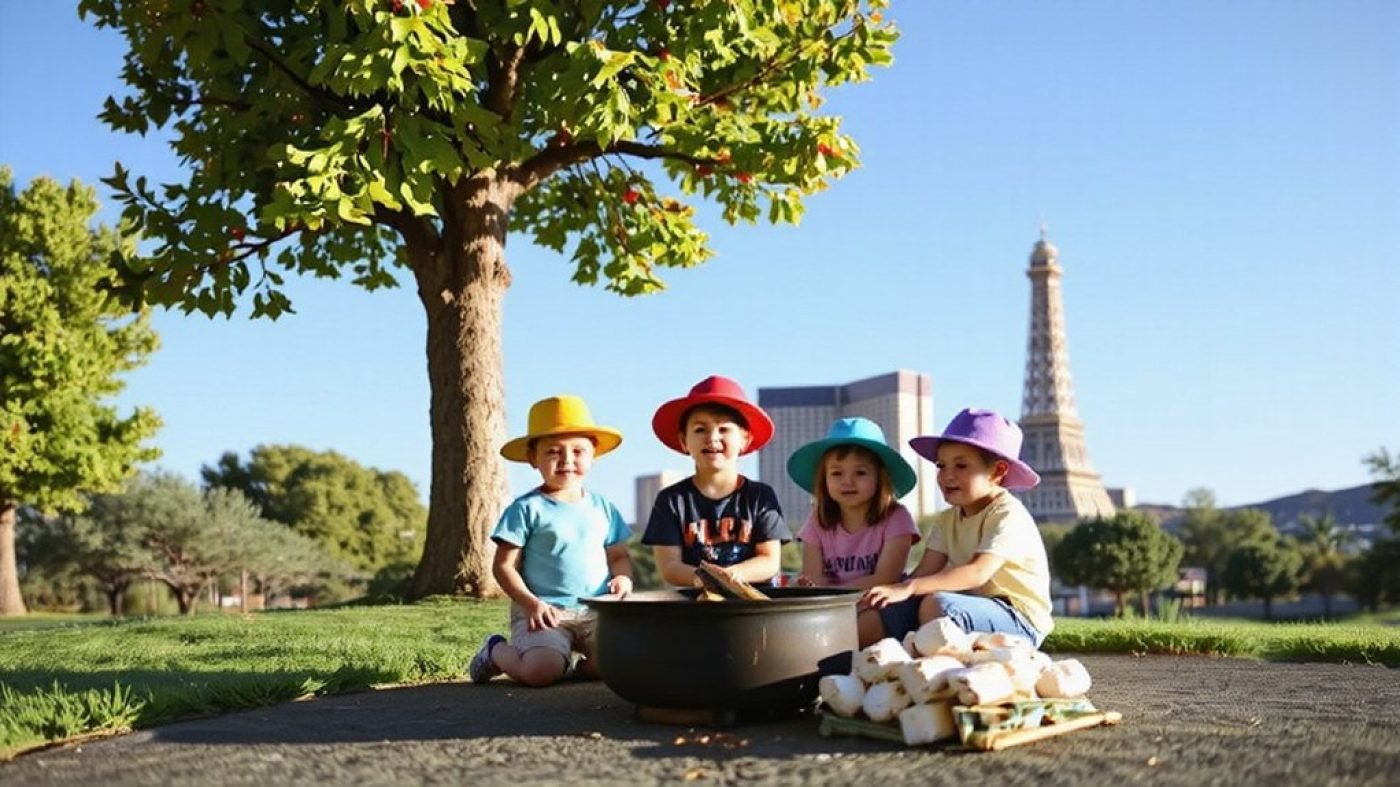

You’ll find short, shady hikes, calm coves for splashing, and gentle sledding spots that suit little legs and big curiosity. I’ll point out simple safety steps, kid‑friendly games, and quick gear lists so you can pack smart and stay comfortable. Stick around for easy ways to turn short outings into lasting family skills—and a few tricks to keep kids engaged.
Red Rock Canyon: Easy, Shady Trails for Little Hikers
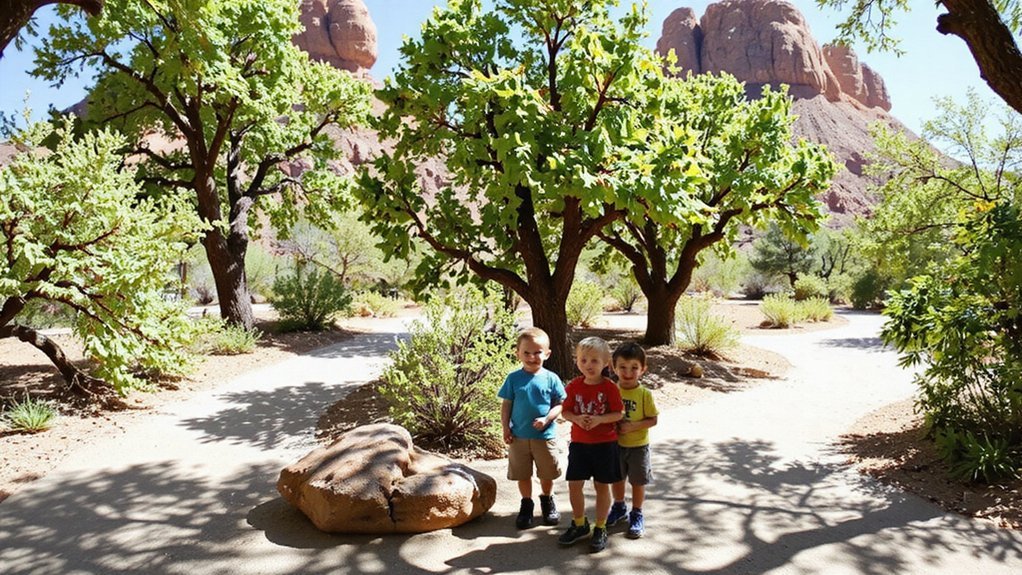
Wide rock ledges and whispering pines make Red Rock Canyon a perfect spot for little hikers. You’ll find short, shady loops where kids can explore safely; pick trails labeled “easy” and go early to avoid heat. Pack snacks, plenty of water, sun hats and light layers — even kids get chilly in canyon shade. Turn rock formations into scavenger-hunt stations: name shapes, count pinecones, sketch a leaf. Bring a compact first-aid kit and teach trail etiquette: stay on path, respect plants, and signal if someone lags. Consider lightweight trail markers or a simple app to track progress and spark curiosity. You’ll leave with tired feet, big smiles, and memories that nudge kids toward confident outdoor curiosity. You’ll return inspired to try new routes soon.
Lake Mead: Calm Water Play and Simple Fishing for Kids
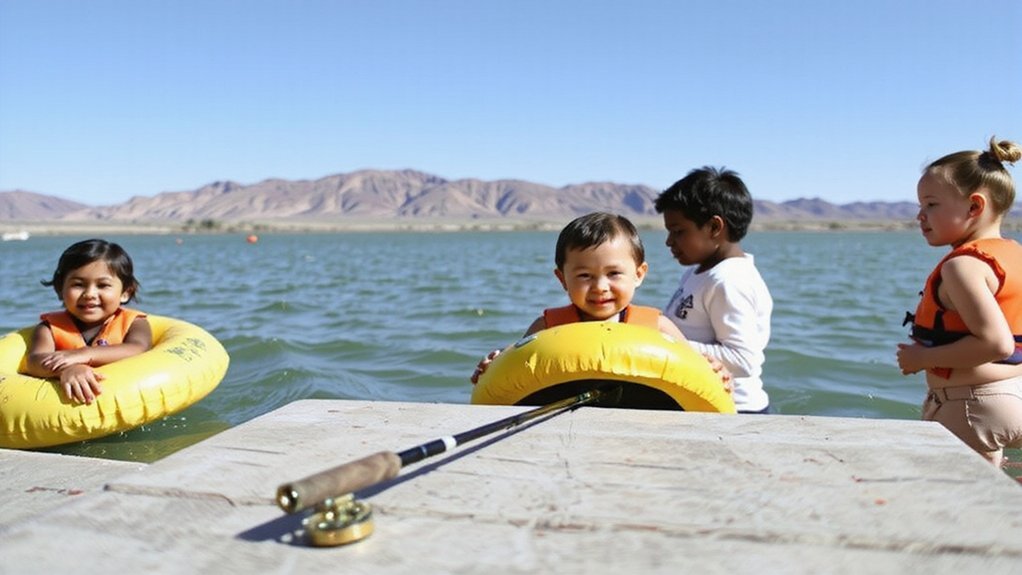
When you head to Lake Mead, you’ll find gentle shorelines and quiet coves that make water play and first-time fishing easy and safe for kids. Pack a small net, a floating life jacket sized for each child, and a pop-up shade shelter so they can play without overheating. Teach them to cast from the shore using simple bobber rigs; mark a “safe zone” with cones or colored towels to keep little anglers visible. Try a kid-friendly fish ID chart and a waterproof notepad so they can log catches and invent silly species names. Bring reusable snack containers and rinse water for gear. Emphasize catch-and-release and curious exploration—these small innovations make their lake day playful, educational, and low-stress. You’ll love their confident, sun-kissed smiles.
Mount Charleston: Snow Play and Beginner Winter Fun
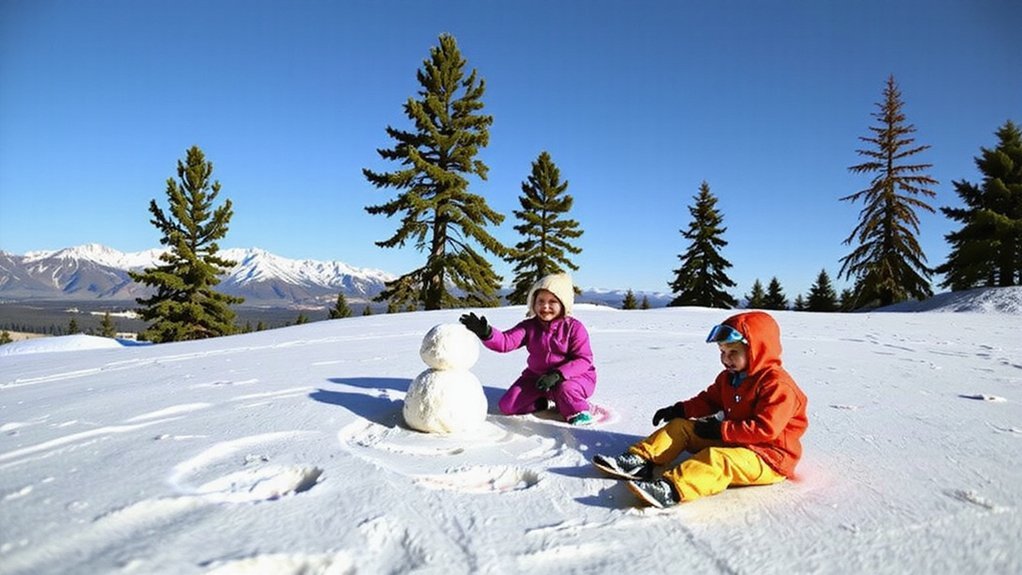
Because the mountain sits high and gets real snow, you’ll want to treat Mount Charleston like a winter playground with a plan: dress kids in waterproof layers, insulated boots, warm hats and gloves, and pack extra socks and a change of clothes. You’ll find gentle slopes for sledding, shallow snow drifts for building quick forts, and wide clearings where beginners can practice balance and basic gliding. Bring lightweight sleds, foam knee pads, hand warmers, and a small thermos of hot chocolate. Teach simple signals—stop, sit, slow—and set clear boundaries for play areas. Rotate kids frequently to warm up and check for wetness or cold toes. Innovate with small challenges like timed walks or snow sculptures to keep energy high and confidence growing daily.
Junior Ranger Programs and Hands-On Nature Activities
If your kids like badges and short missions, sign them up for Junior Ranger programs at nearby parks and visitor centers—rangers give simple booklets, hands-on demos, and quick activities that teach about plants, animals, and safety. You’ll find flexible mini-missions that fit short attention spans: sketch leaves, track animal signs, record sounds on your phone, or practice Leave No Trace routines. Bring a small kit—pencil, magnifier, reusable notebook, and a camera—to turn discoveries into mini-projects. Encourage creative badges by combining photos with short audio notes and a family pledge to protect habitats. Ask rangers about seasonal workshops and volunteer options so kids can try new roles. These programs spark curiosity, build skills, and make nature learning playful and modern, and inspire curious future stewards.
Picnic Spots and Nature Scavenger Hunts for Families
While scouting picnic spots near the Strip, pick places with shade, restrooms, and short trails so kids stay comfortable and curious. You’ll bring lightweight blanket, reusable plates, plenty of water, and a small first-aid kit. Design a nature scavenger hunt that uses simple photo prompts, tactile finds, and sound clues so kids explore safely and inventively. Give each child a checklist and a pencil, or try a tablet if you want a digital twist that records discoveries and creates instant shareable maps. Set time limits, praise curiosity over quantity, and swap roles so kids lead and you observe. Pack small prizes like stickers or seed packets to reward creative finds and encourage future outdoor play. Always leave sites cleaner than when you arrived, together.
Stargazing Tips Away From the Strip Lights
After your picnic and scavenger hunt, head farther from the Strip’s glow for a simple stargazing session the kids will remember. Choose a dark spot, bring a blanket and red flashlight to protect night vision, and have each child point out bright stars or patterns. Use a phone app to identify constellations—kids love tapping to reveal stories—and hand them a simple star chart to track discoveries. Pack hot cocoa, dress in layers, and set a short goal like finding three constellations to keep excitement high. Turn spotting into a quick innovation game: invent a new constellation and sketch it. End with a quiet minute to listen to night sounds; it makes the sky feel close and magical for kids and curious families alike tonight.
Easy Geology Walks and Rock Identification for Children
Because kids love hands-on discovery, take them on a short, slow geology walk that turns rocks into stories: point out colors, layers, and grain sizes, let them touch smooth stones and crumbly ones, and show how some rocks sparkle while others feel sandy. Give each child a simple field kit — magnifying glass, notebook, labeled bag — and challenge them to find a red, a banded, and a shiny sample. Teach quick ID clues: texture, weight, and how it breaks. Use playful comparisons (like cookie crumb rock or glassy sparkle) to boost curiosity. Stay on durable trails, set a 15–30 minute goal, and encourage sketching or sorting finds. Share one surprising fact per walk to spark future exploration. Bring water, sun hats, and curious questions.
Campfire Storytime, S’mores, and Safe Evening Routines
When the fire’s glow gathers everyone, make storytime a cozy, safe ritual your kids can count on: let them pick a short tale or sing a simple song, give each child a designated roasting stick or metal skewer and show them how to hold it from the side while an adult supervises, and keep a bucket of water or sand and a fire extinguisher nearby. After stories, set a simple s’mores station with preassembled kits to reduce handling of utensils and hot chocolate in spill-proof mugs. Teach a bedtime routine: pajamas, brush teeth, quiet chat about stars, and a lantern path to the tent. Use tech sparingly—download story playlists and night-light apps beforehand. Repeat the ritual to build comfort and safe expectations every night.
Wildlife Watching and Birding for Young Explorers
Want to spot a cool bird or lizard while camping near the Strip? Bring small binoculars, a pocket field guide or app, and a notebook so you can sketch or log sightings. Walk quietly at dawn or dusk, move slowly, and let kids lead — they’ll notice colors and calls you might miss. Teach simple ID tricks: tail shape, song rhythm, and habitat. Respect wildlife: watch from a distance, don’t feed animals, and keep snacks sealed. Try a scavenger-bingo card with icons for raven, cactus wren, roadrunner, or lizard to make learning playful and tech-friendly. Celebrate every sighting with stickers or a photo, then discuss what makes each animal special and how to protect its home. Encourage questions and curiosity on every hike daily.
Short Family-Friendly Bike and Scooter Routes
After spotting birds and lizards, try exploring short family-friendly bike or scooter loops that keep kids moving and curious about the same desert world they just watched. Pick routes under two miles with smooth surfaces, shade options, and clear turnaround points so everyone’s happy. Pack helmet decorations, water bottles in easy pockets, and a small toolkit for quick fixes. Use child-sized bikes, trailer attachments, or electric-assist scooters for varied stamina. Point out trail markers, quirky rocks, and plant textures as mini science prompts. Schedule a snack stop near a scenic overlook and practice simple safety signals before you roll. These bite-sized rides spark confidence, fresh ideas, and playful learning without overdoing it. Bring a compact map and set quick fun distance goals today always
Conclusion
You’ll leave each outing with tired toes, sticky s’more fingers, and big smiles. Pack layers, life jackets, snacks, red flashlights, and a first‑aid kit. Let kids lead short hikes, try gentle fishing, race down snowy slopes in warm clothes, and play rock detectives on easy geology loops. Play scavenger bingo, teach simple signals, and end with calm stargazing. You’ll build skills, confidence, and family memories that stick. Bring a camera to capture the silly moments.
Leave a Comment